Folklore of the Aos Sí
The Bean Sí
An Bhean Sí
The herdsman swore he had not touched a drop. All the way through the glen, a woman with long white hair had kept at his side, keening and calling his master’s name.
I The Harper of Buttevant
The bean sí is a woman of the sí, one of the aos sí, but she goes alone, like the púca. She keeps to the old families, of the old Milesian stock, and no others, and she wails before a death. Many have seen her go by, clapping her hands. Lady Wilde wrote that she attends those gifted with music and song as well. 1
Once, in the county of Cork, she came for a harper.
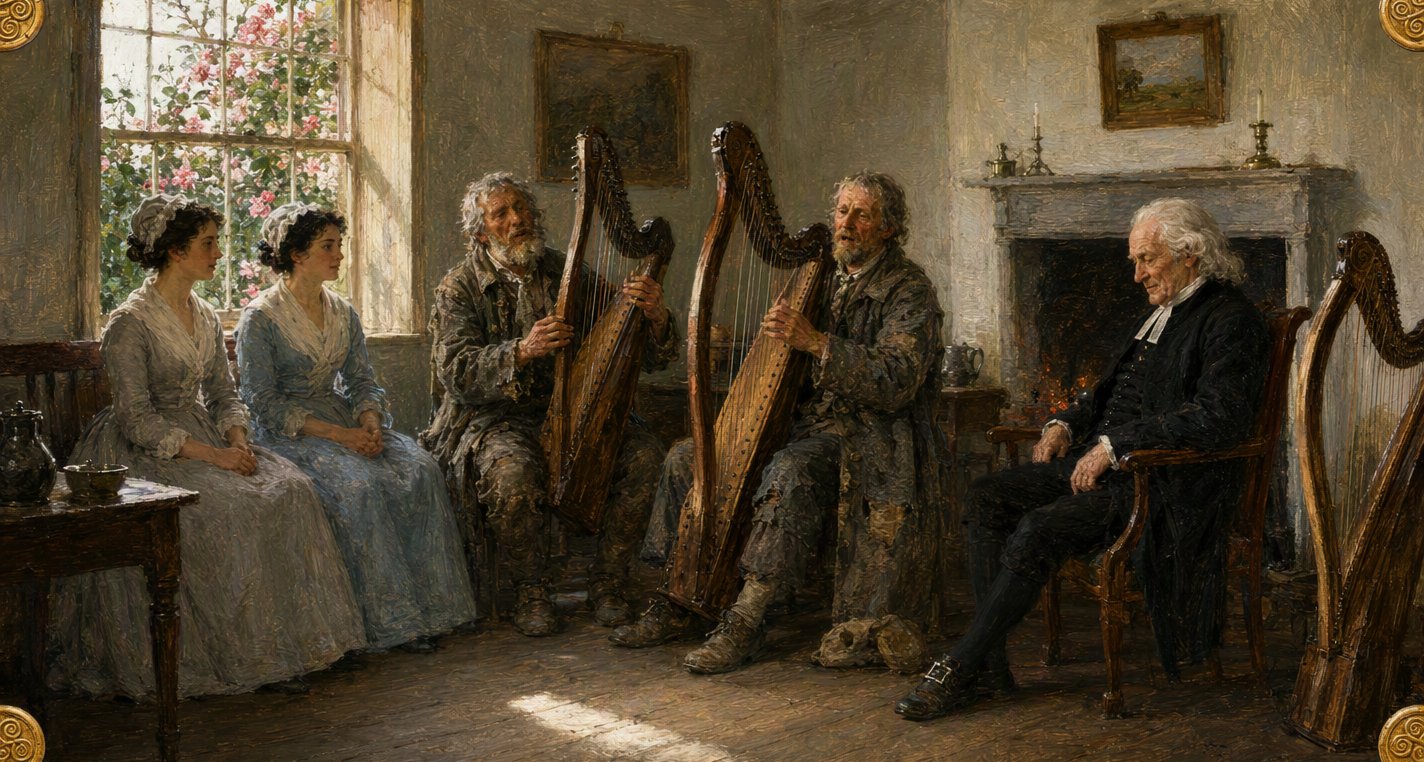
The Reverend Charles Bunworth was rector of Buttevant about the middle of the eighteenth century, respected by the rich and loved by the poor, whatever their creed. He played the Irish harp, and his door was open to the poor harpers who went the roads. They called down blessings on his white head and made verses on the beauty of his daughters, and when he died, fifteen harps lay in the loft of his granary, left to him by the last of the travelling harpers.
Some may doubt what happened at his death, wrote his great-grandson, Thomas Crofton Croker. But there were credible witnesses still living who would vouch for it. 2
II The Glen of Ballybeg
A week or so before he died, a noise was heard one evening at the hall-door, like the shearing of sheep. Nobody paid it much heed.
Near eleven that night Kavanagh the herdsman brought the medicine back from Mallow, and Miss Bunworth saw that he was badly shaken, though nobody yet thought her father in danger.
The master, Miss, said Kavanagh. The master is going from us. He burst into tears.
Miss Bunworth was a woman of strong nerve. Had he heard something in Mallow? It was not in Mallow, said Kavanagh. Then she was afraid he had been drinking, with the medicine in his charge.
As I hope for mercy hereafter, said Kavanagh, neither bit nor sup has passed my lips since I left this house. The bean sí has come for him, Miss, and I’m not the only one that heard her.
An idle superstition, said Miss Bunworth.
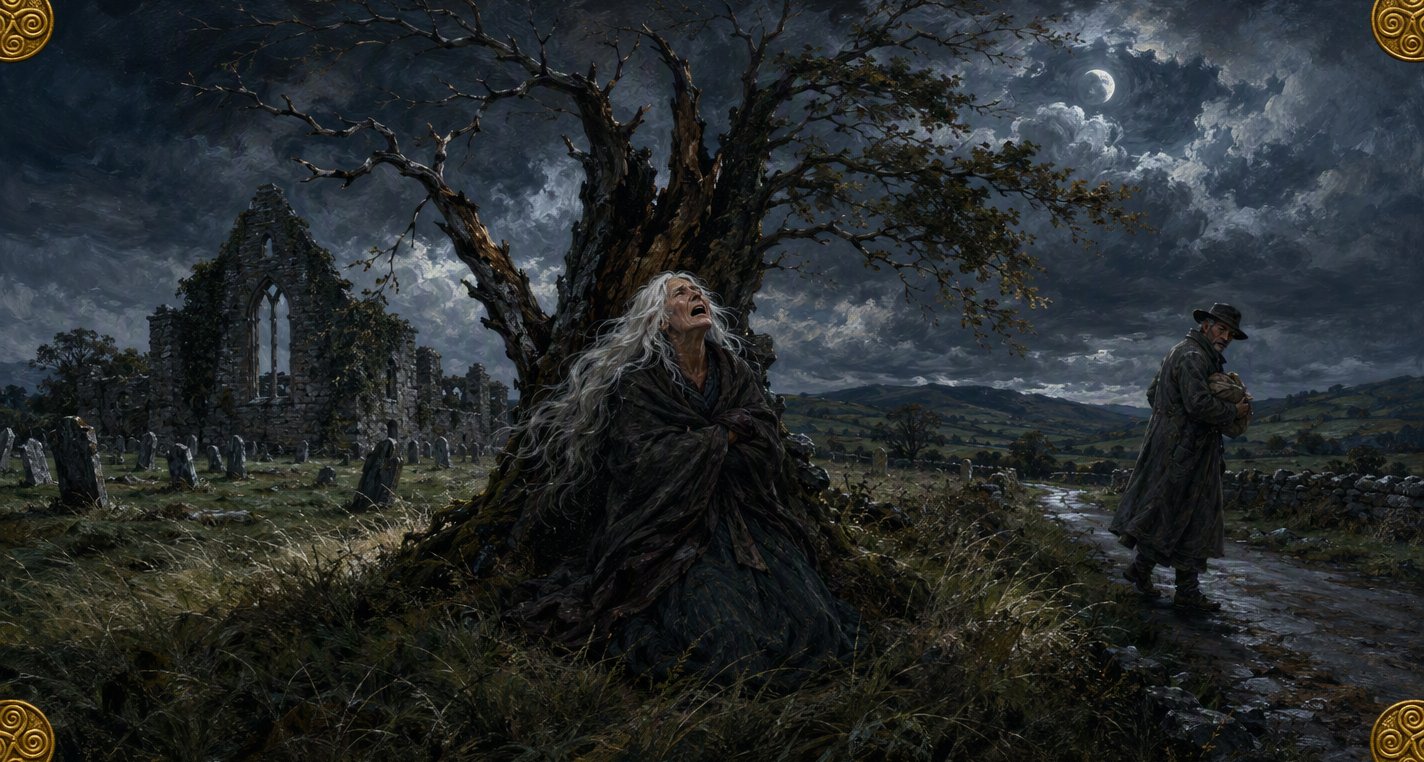
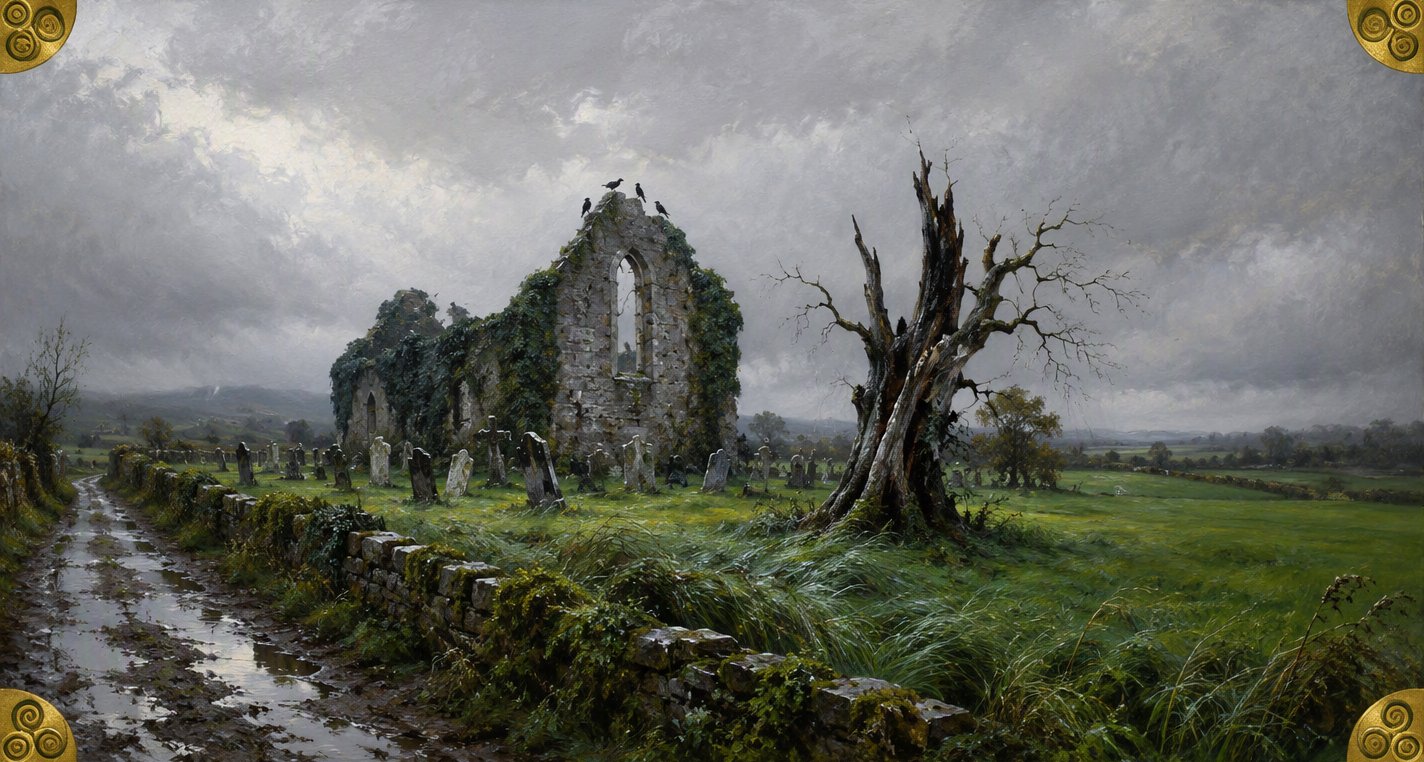
Maybe so, said Kavanagh. But she was at my side every step of the way through the glen of Ballybeg, keening and screeching and clapping her hands, with her long white hair down about her shoulders. Every now and then she called the master’s name, as plain as ever I heard it. At the old abbey she left me. She turned into the pigeon-field by the burying ground, folded her cloak about her, and sat down under the tree the lightning struck. And there she keened so bitterly it went through your heart to hear it. 3
III The Rose-tree at the Window
My father is better, I believe, said Miss Bunworth. I hope he’ll soon be up to tell you himself it’s all your own fancy. But say nothing to the other servants; there’s no call to frighten them.
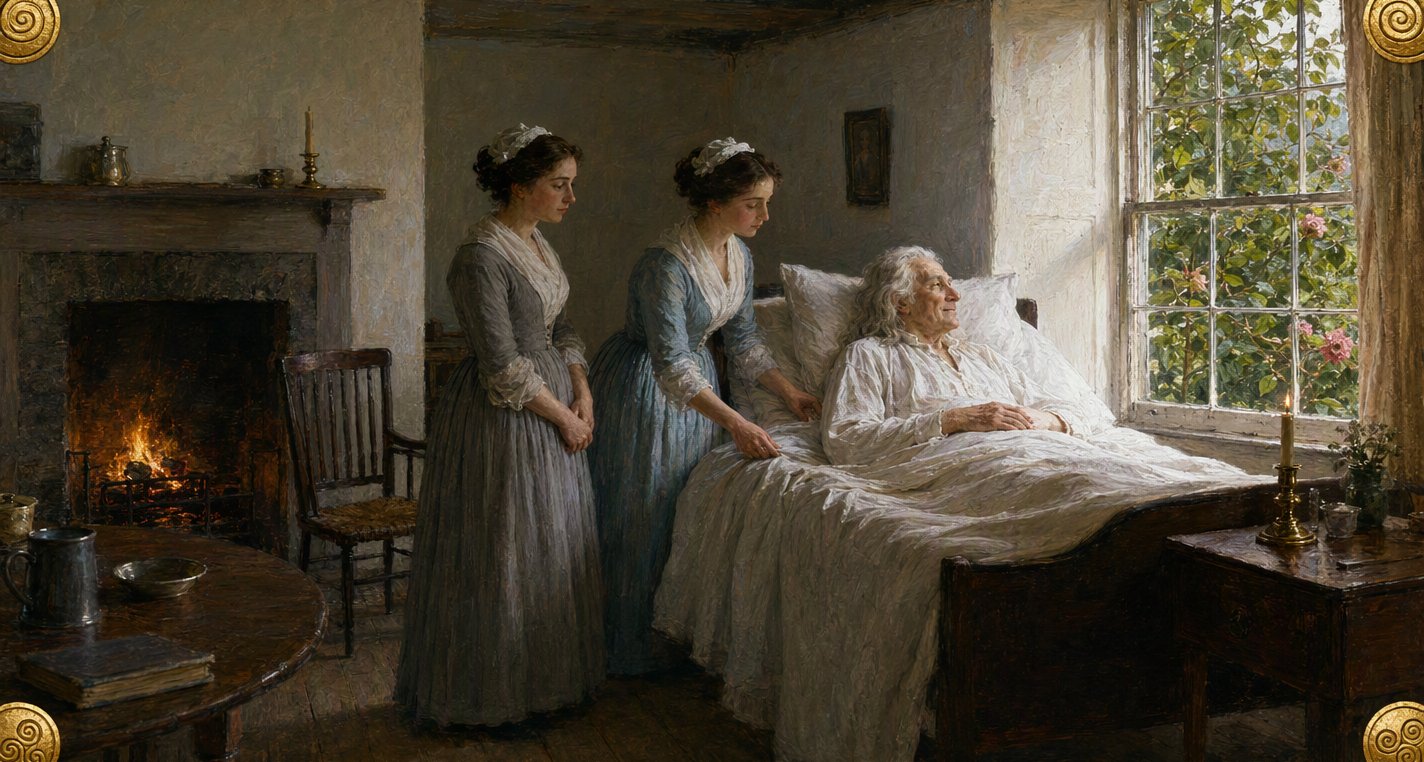
The old man went slowly down. On his last night his two daughters, worn out with watching, were persuaded to rest, and an elderly lady, a near relation, sat by the bed. He lay in the parlour, moved there that morning at his own wish, with the head of the bed close to the window. Some friends of the family sat in the next room, with the door open.
The night was calm and bright with the moon, and the sick man slept.
Then there was a sound at the window by the bed. A rose-tree grew outside, so close that it touched the glass, and it was forced aside with a noise. A low moaning came, and a clapping of hands, like a woman in bitter grief.
The old lady went into the next room. Did you hear the bean sí? she asked them.

IV First Light
Two of the men put no faith in such things, but they had heard it too, and went out to find the cause. They went all round the house and searched the ground, most of all under the window. The bed the rose-tree grew in had been freshly dug, and if any living hand had forced the tree aside, there would have been a footprint in it. There was none. The road ran straight and the night was bright, so they could see some way along it; but all was silent and empty.
Those in the house told them that all the while they were out, the moaning and clapping had been louder and plainer than before. And the door was no sooner shut behind them than they heard the same mournful sound again.
Every hour after that the sick man grew worse, and at the first light of morning Charles Bunworth died.
Afterwards, while the family was away in Cork, the man they left minding the house broke up the fifteen harps, one after another, for firewood. He knew no better.
What the tale keeps
An old man kept open house for the harpers who went the roads, and they called down blessings on his white head. When his own time came, something keened for him at his window, and left no print in the new-dug earth.
Music and poetry are fairy gifts, Lady Wilde wrote, and those who have them show their kinship with the spirit race. And the harper was keened for like one of the old families.
His harps went for firewood. The story outlasted them: more than fifty years on, his great-grandson could still tell of the glen, the field and the tree. And the keen that the country people raised over their own dead was said to be an imitation of her cry.
Notes
- She is “an attendant fairy that follows the old families, and none but them, and wails before a death.” (W. B. Yeats, Fairy and Folk Tales of the Irish Peasantry, 1888) “The distinction of a banshie is only allowed to families of the pure Milesian stock.” (Sir Walter Scott, Letters on Demonology and Witchcraft, 1830) And “only certain families of historic lineage, or persons gifted with music and song, are attended by this spirit”. (Lady Wilde, Ancient Legends, Mystic Charms, and Superstitions of Ireland, 1887) ↩
- “The circumstances attending the death of Mr. Bunworth may be doubted by some; but there are still living credible witnesses who declare their authenticity.” (T. Crofton Croker, Fairy Legends and Traditions of the South of Ireland, 1834) The Dictionary of Irish Biography names Croker as Bunworth’s great-grandson. ↩
- Kavanagh’s words: “folding her cloak about her, down she sat under the tree that was struck by the lightning, and began keening so bitterly, that it went through one’s heart to hear it.” (Croker, 1834) The keen, wrote Yeats, “the funeral cry of the peasantry, is said to be an imitation of her cry.” (1888) ↩
Where the tale comes from
Collected folklore. The death of Charles Bunworth, rector of Buttevant, Co. Cork, in 1772, as his great-grandson Thomas Crofton Croker told it in Fairy Legends and Traditions of the South of Ireland (1825), with living witnesses to vouch for it.
- Thomas Crofton Croker printed “The Bunworth Banshee” in the first part of Fairy Legends and Traditions of the South of Ireland (1825), and again in the condensed and revised edition of 1834, which this retelling follows. He set it first in his section on the Banshee, before “The M’Carthy Banshee”. The Dictionary of Irish Biography calls him Bunworth’s great-grandson, and gives the date of Bunworth’s death at Buttevant as 14 September 1772, a little more than fifty years before the tale was printed.
- W. B. Yeats did not reprint it in Fairy and Folk Tales of the Irish Peasantry (1888). In his Banshee section, J. Todhunter’s “How Thomas Connolly Met the Banshee” ends with a Mr O’Neill come on a visit to a house in the neighbourhood, “one o’ the ould O’Nales iv the county Tyrone, a rale ould Irish family”: the banshee is heard keening round the house that night, and in the morning he is found dead in his bed.
- Lady Wilde (1887) wrote that the Banshee “even follows the old race across the ocean and to distant lands”. A branch of the O’Gradys, settled in Canada, heard a strange and mournful lament outside their house one night. The father and his eldest son went out boating, and at the very hour of the night when the cry had been heard the evening before, men came carrying their bodies to the house.
Sources
- Fairy Legends and Traditions of the South of Ireland: "The Bunworth Banshee" · T. Crofton Croker (London: John Murray, 1834; first published 1825)
- Fairy and Folk Tales of the Irish Peasantry · W. B. Yeats, ed. (London, 1888)
- Ancient Legends, Mystic Charms, and Superstitions of Ireland: "The Banshee" · Lady Wilde (1887)
- Letters on Demonology and Witchcraft, Letter X · Sir Walter Scott (London, 1830)
- "The Second Battle of Moytura", Revue Celtique 12 (1891) · Whitley Stokes
- Bunworth, Charles · Helen Andrews, Dictionary of Irish Biography (2009)
- Buttevant · Wikipedia